The Ultimate Guide To Petunia Companion Planting
The Ultimate Guide to Petunia Companion Planting
Petunias are one of the most popular annual flowers in the world, and for good reason. They're easy to grow, come in a wide variety of colors, and bloom for months on end. But did you know that you can improve the health and productivity of your petunias by companion planting?
Companion planting is the practice of planting different types of plants together that benefit each other in some way. This can be done to attract pollinators, deter pests, or improve soil health.
In this guide, we'll discuss the best companion plants for petunias, as well as some tips on how to plant them together. We'll also cover some of the benefits of companion planting, so you can see why it's worth trying.
Benefits of Companion Planting
There are many benefits to companion planting, including:
- Attracting pollinators: Pollinators are essential for plant reproduction, and companion planting can help attract them to your garden. This is especially important for petunias, which are a favorite of bees and butterflies.
- Decreasing pests: Some companion plants can help to deter pests from your garden. For example, marigolds are known to repel nematodes, which can be a problem for petunias.
- Improving soil health: Companion plants can help to improve the health of your soil by adding nutrients, breaking down organic matter, and suppressing weeds. This can lead to healthier and more productive plants.
Best Companion Plants for Petunias
There are many different plants that can be companion plants for petunias. Here are a few of the best:
- Marigolds: Marigolds are a classic companion plant for petunias. They help to repel nematodes, which can be a problem for petunias. Marigolds also attract pollinators, which is beneficial for all of your plants.
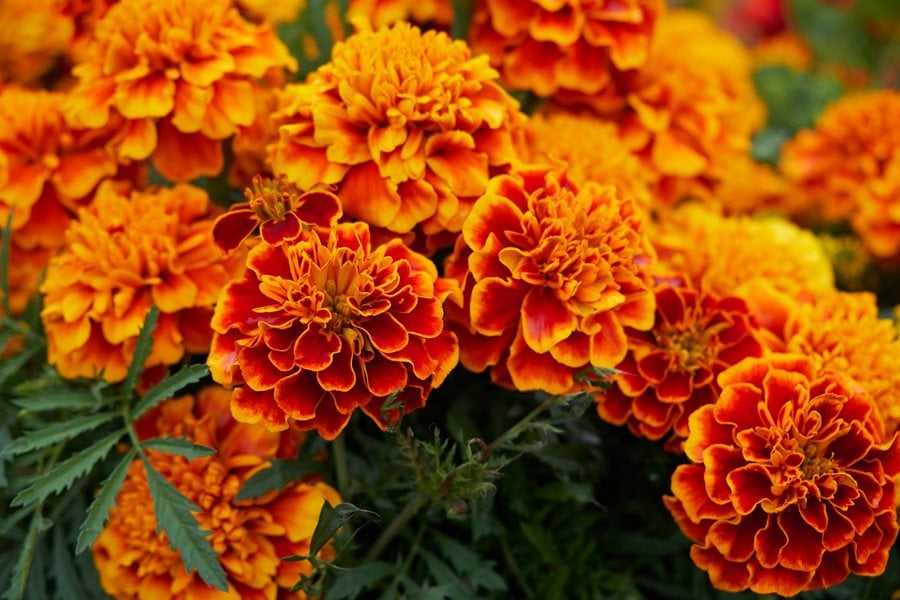
- Nasturtiums: Nasturtiums are another great companion plant for petunias. They attract pollinators, help to deter pests, and can even help to improve the flavor of your petunias.

- Lavender: Lavender is a beautiful and fragrant plant that can help to deter pests from your garden. It also attracts pollinators, which is beneficial for your petunias.
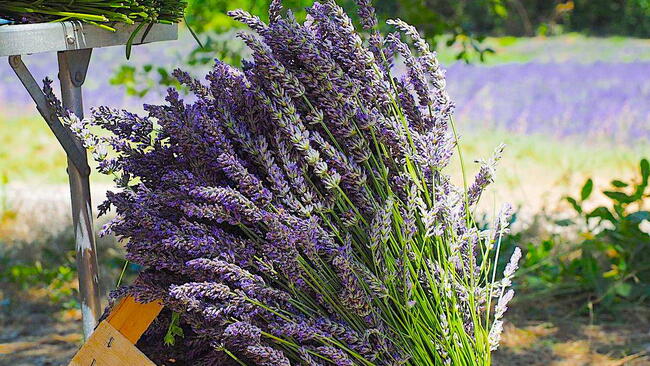
- Salvia: Salvia is a popular herb that can help to attract pollinators and deter pests. It also has the added benefit of being drought-tolerant, which can be helpful in hot, dry climates.
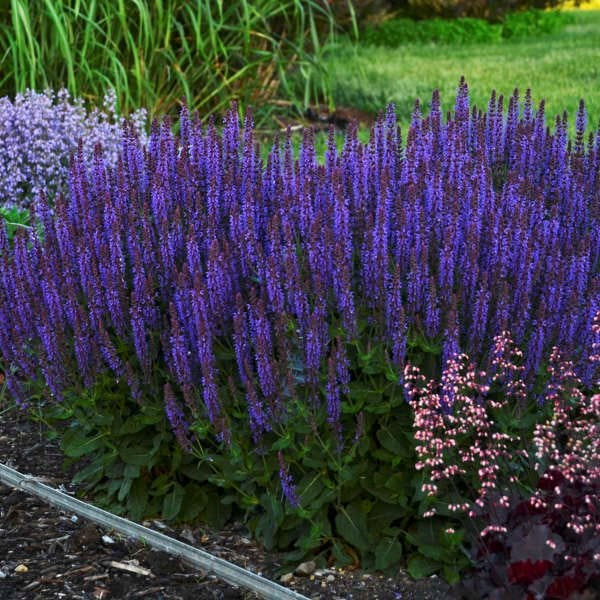
- Cucumbers: Cucumbers and petunias are often planted together in vegetable gardens. The petunias help to deter cucumber beetles, while the cucumbers provide shade for the petunias.
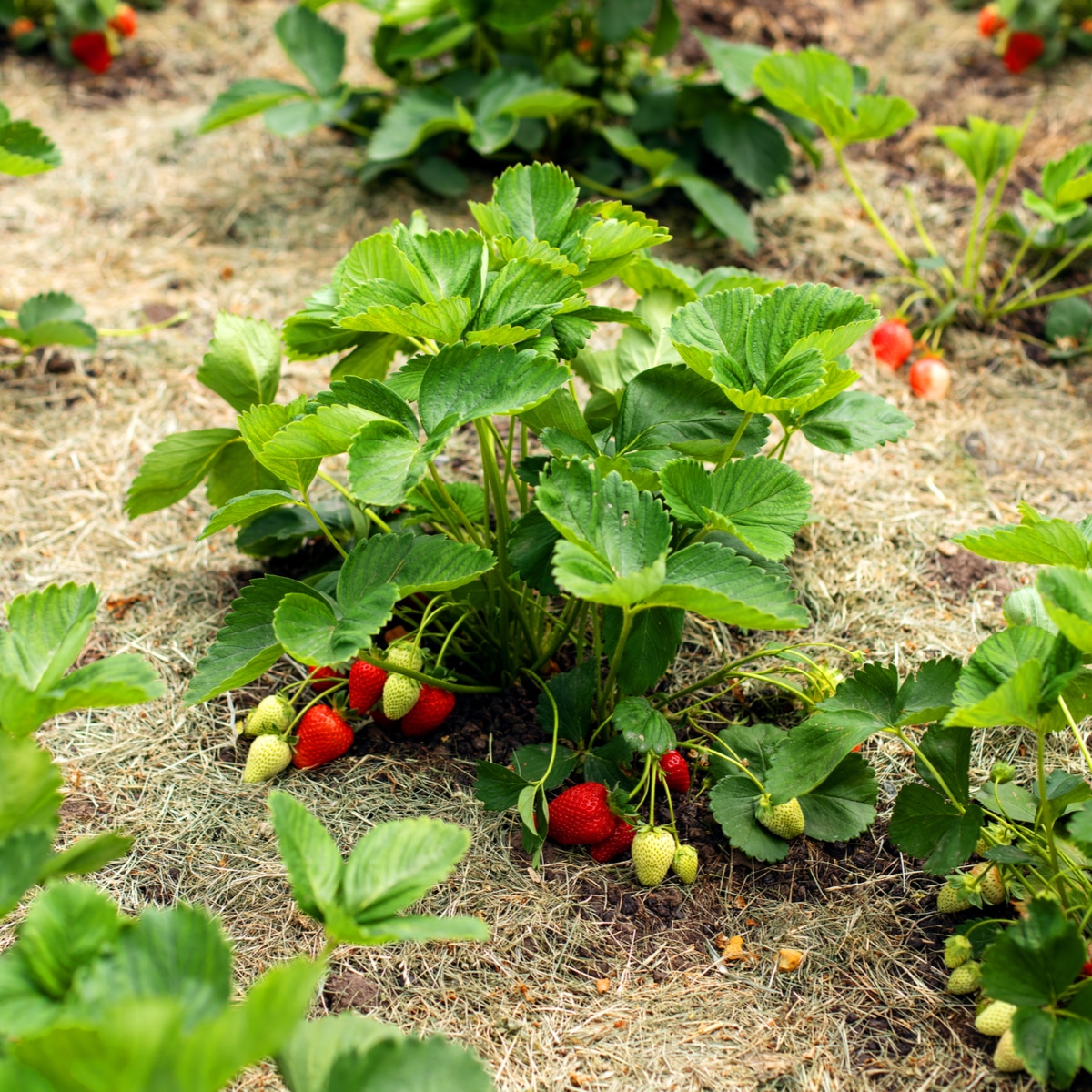
- Strawberries: Strawberries and petunias are another popular combination. The petunias help to attract pollinators, while the strawberries provide shade for the petunias.
How to Plant Petunia Companion Plants
When planting petunia companion plants, it's important to consider the size and growth habit of each plant. For example, marigolds and nasturtiums can be tall and sprawling, so they should be planted towards the back of your garden. Lavender and salvia are smaller plants, so they can be planted in front of the marigolds and nasturtiums.
It's also important to consider the sunlight and water requirements of each plant. Petunias need full sun and regular watering, so make sure that their companion plants have similar needs.
Once you've chosen your companion plants, it's time to plant them. Follow the instructions on the plant tags for planting depth and spacing.
Conclusion
Companion planting is a great way to improve the health and productivity of your petunias. By planting them with the right companion plants, you can attract pollinators, deter pests, and improve soil health.
So next time you're planting petunias, be sure to consider some of the companion plants listed in this guide. You'll be glad you did!
Petunias are a popular choice for gardens and containers because they are easy to care for and come in a wide variety of colors. But did you know that there are certain plants that can help petunias thrive? Companion planting is the practice of planting different types of plants together that benefit each other. For example, some good companion plants for petunias include:
- Salvia: Salvia attracts pollinators, which help to pollinate petunias and produce more flowers.
- Snapdragons: Snapdragons have similar growing requirements to petunias, and they can help to fill in empty spaces in your garden.
- Lantana: Lantana is a colorful plant that can help to add interest to your garden. It also attracts pollinators, which can help to keep your petunias healthy.
- African daisy: African daisies are drought-tolerant plants that can help to keep your petunias from getting too dry.
If you are looking for more information about petunia companion plants, I recommend visiting Gardenia Inspiration. This website has a comprehensive list of companion plants for petunias, as well as tips on how to plant and care for them.
FAQ of petunia companion plants
5 Most Frequently Asked Questions About Petunia Companion Plants
Question 1: What are companion plants?
Answer: Companion plants are plants that are grown together because they benefit each other in some way. They may attract beneficial insects, repel pests, or provide shade or support for each other.
Question 2: What are some good companion plants for petunias?
Answer: Some good companion plants for petunias include:
- Marigolds: Marigolds help to repel pests such as aphids, whiteflies, and nematodes.
- Lavender: Lavender attracts pollinators such as bees and butterflies, which can help to pollinate your petunias.

- Salvia: Salvia attracts pollinators and helps to deter deer and rabbits.
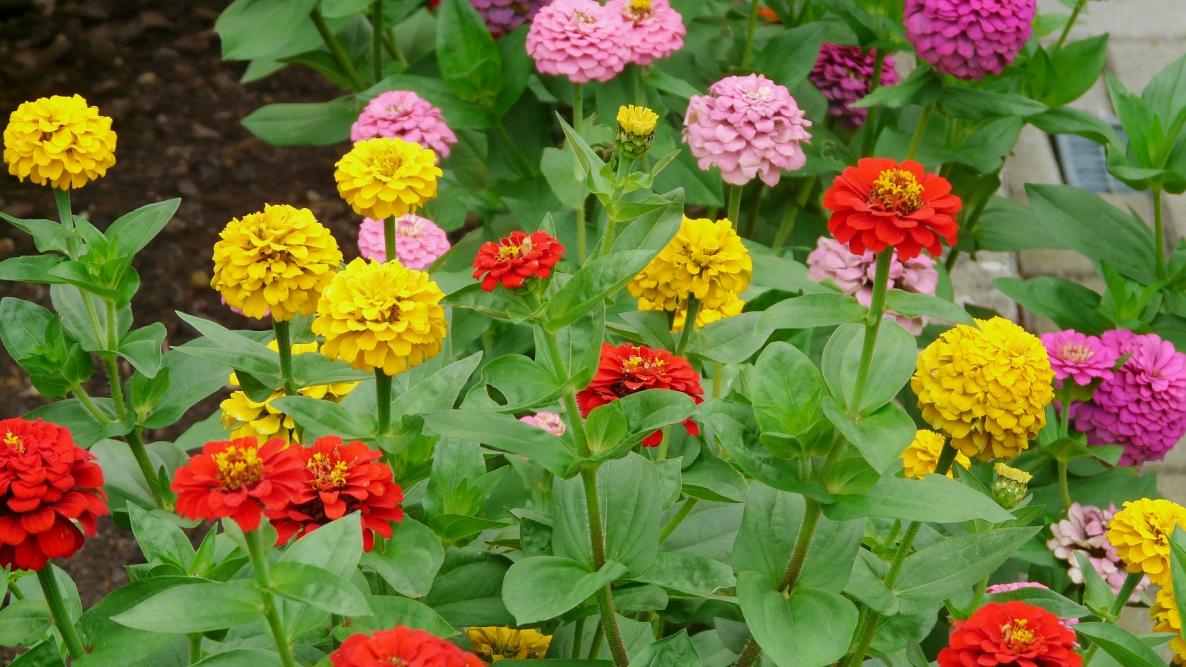
- Zinnia: Zinnias help to attract pollinators and can help to improve the drainage of the soil around your petunias.
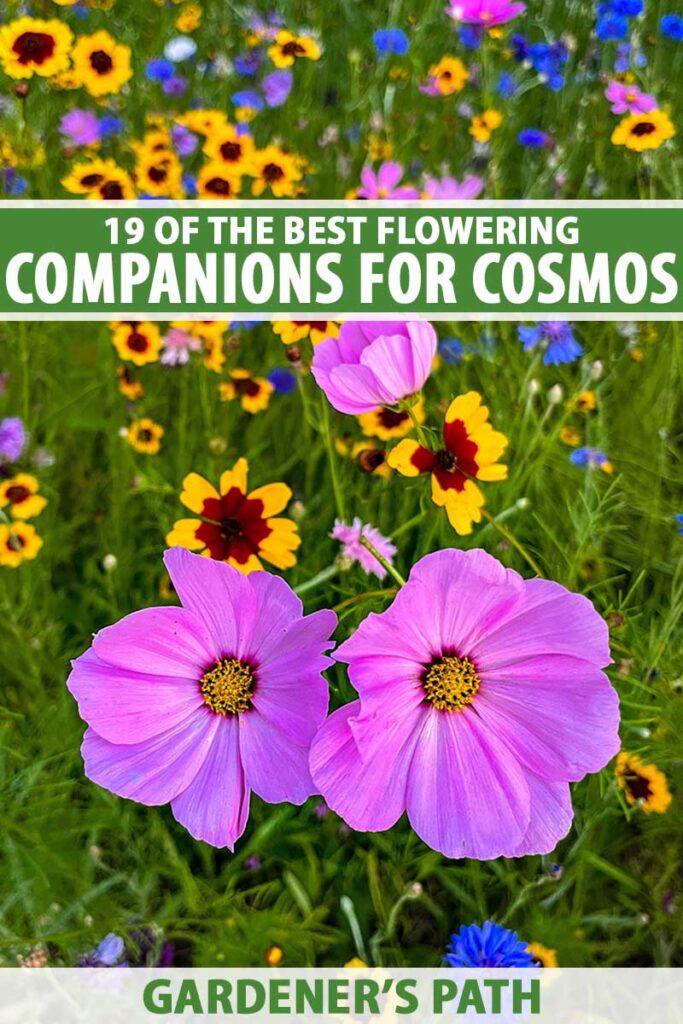
- Cosmos: Cosmos helps to attract pollinators and can help to suppress weeds.
Question 3: How do I choose companion plants for petunias?
Answer: When choosing companion plants for petunias, it is important to consider the following factors:
- Sunlight requirements: Petunias need full sun, so you will want to choose companion plants that also need full sun.
- Water requirements: Petunias need regular watering, so you will want to choose companion plants that have similar water requirements.
- Soil type: Petunias prefer well-drained soil, so you will want to choose companion plants that also prefer well-drained soil.
- Pest and disease resistance: Petunias are susceptible to some pests and diseases, so you may want to choose companion plants that help to deter pests or diseases.
Question 4: How do I plant companion plants with petunias?
Answer: When planting companion plants with petunias, it is important to follow these steps:
- Choose a location that gets full sun.
- Prepare the soil by adding compost or other organic matter.
- Plant the petunias and companion plants according to their individual planting instructions.
- Water the plants well.
- Mulch around the plants to help retain moisture and suppress weeds.
Question 5: How do I care for companion plants with petunias?
Answer: To care for companion plants with petunias, you will need to:
- Water the plants regularly, especially during hot, dry weather.
- Fertilize the plants according to their individual fertilizer requirements.
- Deadhead the flowers regularly to encourage new blooms.
- Protect the plants from pests and diseases.
Image of petunia companion plants
- Lavender: Lavender is a great companion plant for petunias because it helps to deter pests. It also has a lovely fragrance that can help to attract pollinators.

- Marigolds: Marigolds are another great companion plant for petunias because they help to repel pests. They also have beautiful orange and yellow flowers that can complement the colors of petunias.
- Salvia: Salvia is a drought-tolerant plant that can help to improve the drainage of the soil around petunias. It also has beautiful blue flowers that can add a touch of color to a garden.

- Zinnia: Zinnias are a cheerful plant that can add a pop of color to a garden. They also attract pollinators, which can help to fertilize petunias.
- Cosmos: Cosmos is a low-maintenance plant that can help to fill in the gaps between petunias. It also has beautiful daisy-like flowers that can add a touch of whimsy to a garden.


Post a Comment for "The Ultimate Guide To Petunia Companion Planting"